
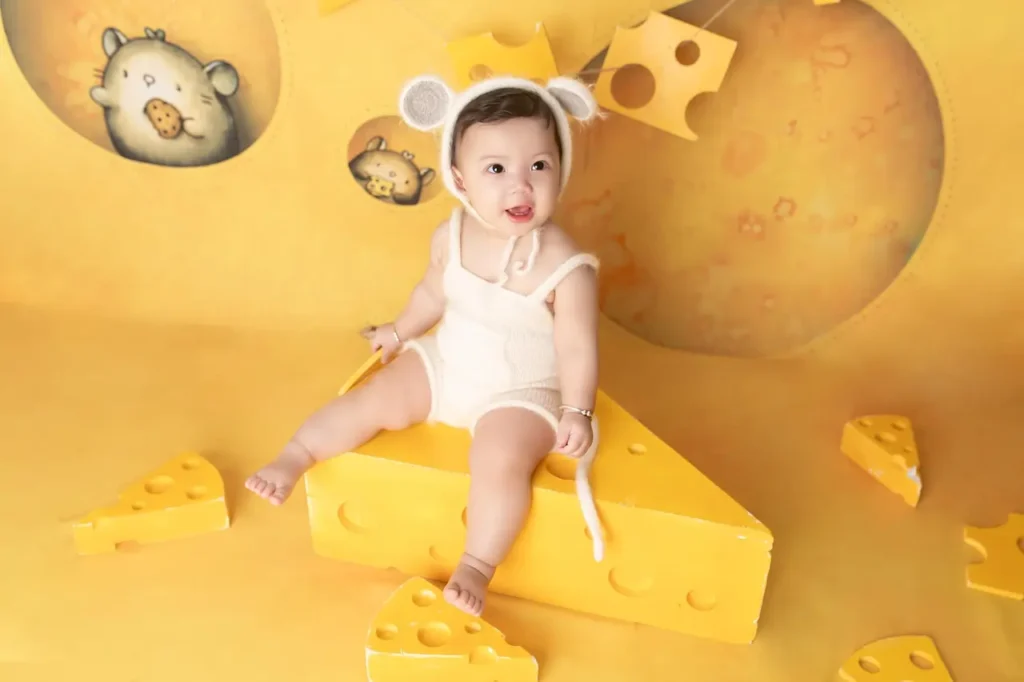
Watching your baby grow brings joy and wonder every single day. Parents often search for simple ways to track their little one’s development. One popular guideline is the 5 8 5 rule for babies. This helpful framework gives parents clear expectations about their baby’s eating patterns during the first year.
Understanding the 5 8 5 Rule for Babies
The 5 8 5 rule is a feeding guideline that helps parents understand how much milk their baby needs as they grow. Here’s what each number means:
5 ounces at 5 weeks old – When your baby reaches five weeks, they typically drink about five ounces of milk per feeding.
8 ounces at 8 weeks old – By eight weeks, most babies consume around eight ounces during each feeding session.
5 feedings by 5 months old – At five months, babies usually need about five feedings throughout the day.
This simple pattern helps parents gauge whether their baby is eating enough. Remember that every baby is unique. Some may eat slightly more or less than these guidelines suggest. The 5 8 5 rule serves as a helpful reference point, not a strict requirement.
Why the 5 8 5 Rule Matters for Your Baby’s Health
Following feeding guidelines supports healthy growth and development. Babies need proper nutrition to build strong bones, develop their brains, and gain energy for learning new skills. The 5 8 5 rule helps ensure your little one gets adequate calories without overfeeding.
Pediatricians use these milestones to check if babies are thriving. When babies follow these general patterns, it indicates their digestive system is maturing properly. Parents who understand this rule feel more confident about feeding schedules and can spot potential concerns early.
Signs Your Baby is Eating Enough
Beyond the 5 8 5 rule, watch for these positive indicators:
Your baby produces six to eight wet diapers daily. This shows good hydration and adequate milk intake. Consistent weight gain appears at doctor visits. Healthy babies typically gain four to seven ounces weekly during the first few months.
Your little one seems content and satisfied after feedings. Happy, alert babies who sleep well between meals are getting enough nutrition. Regular bowel movements occur, though frequency varies by age and diet type.
What to Do for a Baby’s Half Birthday
Celebrating your baby’s half birthday marks an exciting milestone. Six months represents a major turning point in your child’s development. Many parents choose to commemorate this special day with simple, meaningful activities.
Create a mini photo session at home. Capture your baby sitting up, playing with favorite toys, or trying new foods. These pictures become treasured memories you’ll cherish forever. Use props like balloons, banners, or a small cake made from healthy ingredients.
Prepare a special meal appropriate for your baby’s age. If you’ve started solid foods, introduce a new taste or texture. Many babies begin eating purees around six months, making this perfect timing for food exploration.
Invite close family members for a casual gathering. Keep the celebration low-key since babies tire easily. A short visit with grandparents or a video call with distant relatives shares the joy without overwhelming your little one.
Track your baby’s exact half birthday easily using tools like halfbirthdaycalculator.online. This free calculator instantly shows you the precise date six months from your baby’s birth, making party planning stress-free.
How to Wish a Baby Half a Birthday
Sending warm wishes to a six-month-old creates sweet memories for parents. While babies don’t understand words yet, heartfelt messages bring joy to the whole family. Here are thoughtful ways to express your congratulations:
Write a simple card celebrating the baby’s growth. Mention specific achievements like rolling over, sitting up, or that adorable first giggle. Parents appreciate when others notice their child’s unique personality developing.
Share your wishes on social media with a cute photo. Keep messages positive and encouraging. Focus on the happiness this baby brings to everyone’s lives.
For family members, consider gifting age-appropriate toys or books. Soft blocks, teething rings, or board books with bright pictures delight six-month-olds. Practical gifts like clothing in larger sizes show thoughtfulness too.
Send a heartfelt text or make a phone call. Personal connection means more than elaborate gestures. Tell parents how much joy watching their baby grow brings you.
What is a Quote for a 6 Month Old?
Meaningful quotes capture the magic of watching babies grow. These words express feelings parents experience during this incredible first half-year:
“Six months of pure joy, endless giggles, and love beyond measure.”
This quote reflects the overwhelming happiness babies bring. Parents often feel amazed at how quickly time passes and how deeply they’ve fallen in love.
“Half a year of tiny toes, sweet smiles, and precious moments we’ll never forget.”
These words celebrate the physical cuteness and emotional connections formed during early months. Every coo, smile, and milestone becomes a treasured memory.
“At six months old, you’ve already filled our hearts completely.”
This sentiment expresses how babies transform families. Even though they’re small, their impact on parents’ lives is enormous.
“Halfway to one, and you’ve already stolen our hearts a thousand times.”
This playful quote acknowledges the journey toward the first birthday while celebrating current achievements.
What to Do on a Baby’s 6 Month Birthday
Planning your baby’s six-month celebration can be as simple or elaborate as you prefer. Focus on activities that suit your family’s style and your baby’s temperament.
Start a memory box or time capsule. Include current photos, a newspaper from that day, and notes about your baby’s personality. Add items like a favorite toy or outfit. Open it together on future birthdays.
Create handprint or footprint art. Use baby-safe paint or clay to capture your child’s tiny hands and feet. These keepsakes show how much your baby grows over time.
Write a letter to your future child. Describe your baby’s current habits, favorite activities, and special quirks. Share your hopes and dreams. Reading this letter together years later creates emotional bonding moments.
Plan a professional photo session. Six months is ideal for portraits. Babies can sit independently but haven’t started crawling yet. Professional photographers capture personality and milestones beautifully.
Visit a special location. Take your baby to a meaningful place like where you announced your pregnancy or a favorite family spot. Photograph these moments to build a tradition.
Update baby’s milestone cards. Document achievements like sitting up, eating solids, or new sounds. These cards create visual timelines of growth.
Connecting Feeding Rules with Half Birthday Milestones
The 5 8 5 rule perfectly aligns with six-month celebrations. By this age, babies typically eat five times daily, matching the final number in the guideline. This milestone also marks when many babies start solid foods alongside breast milk or formula.
Six months brings dramatic changes in feeding routines. Babies show interest in what others eat. They can hold their heads steady and sit with support. These physical developments signal readiness for new food experiences beyond milk alone.
Parents planning half birthday celebrations often introduce first foods during this time. Pureed vegetables, fruits, or baby cereal become part of daily nutrition. This exciting transition makes the half birthday even more memorable.
Planning the celebration becomes easier when you know the exact date. Use halfbirthdaycalculator.online to calculate your baby’s half birthday instantly. This simple tool takes the guesswork out of planning, ensuring you don’t miss this special milestone.
Tips for Tracking Your Baby’s First Year Milestones
Documenting your baby’s growth helps you appreciate each stage. These strategies make tracking simple and meaningful:
Keep a growth journal. Note feeding amounts, sleep patterns, and new skills weekly. Brief entries capture details you might otherwise forget.
Take monthly photos in the same spot. Use identical backgrounds and props to show growth visually. These comparison pictures amaze everyone.
Save healthcare records. Pediatrician visits provide weight, height, and head circumference measurements. These numbers show healthy development patterns.
Record first experiences on video. Capture first laughs, foods, and attempts at crawling. Video preserves personality and voices better than photos alone.
Use milestone cards or apps. Digital tools and physical cards help organize achievements. They create shareable content for distant family members too.
Making Half Birthdays Special Family Traditions
Starting half birthday traditions creates lasting family customs. These celebrations don’t need elaborate planning or expensive decorations. Simple, heartfelt activities build connections and memories.
Serve a healthy smash cake. Make a small cake from yogurt, fruit, or other baby-friendly ingredients. Let your six-month-old explore textures and tastes. The messy photos will make everyone smile.
Release balloons or blow bubbles outside. These activities create magical moments for babies discovering their world. They also photograph beautifully against outdoor backgrounds.
Read a special book together. Choose a story you’ll read each half birthday. This tradition grows with your child, becoming anticipated and cherished.
Plant a tree or flower. Symbolize growth by adding something living to your yard. Watch it grow alongside your child over the years.
Frequently Asked Questions
Q1: Is the 5 8 5 rule applicable to both breastfed and formula-fed babies?
Yes, the 5 8 5 rule works as a general guideline for all babies regardless of feeding method. Breastfed babies may nurse more frequently since breast milk digests faster. Formula-fed babies might stick closer to these specific amounts. Always follow your baby’s hunger cues and pediatrician’s recommendations.
Q2: What if my baby doesn’t follow the 5 8 5 rule exactly?
Every baby develops at their own pace. Some drink more or less than the guideline suggests. As long as your baby gains weight appropriately, produces enough wet diapers, and seems happy, slight variations are completely normal. Discuss concerns with your pediatrician during regular checkups.
Q3: When should babies start eating solid foods?
Most babies are ready for solid foods around six months old. Signs of readiness include sitting with minimal support, showing interest in food, and losing the tongue-thrust reflex. Always consult your pediatrician before introducing solids to ensure your baby is developmentally ready.
Q4: How do I calculate my baby’s exact half birthday?
Add six months to your baby’s birth date. For precision and convenience, use halfbirthdaycalculator.online. This free tool instantly calculates the exact half birthday date, helping you plan celebrations without confusion about leap years or varying month lengths.
Q5: Are half birthday celebrations common?
Half birthday celebrations have grown increasingly popular, especially for first children. Parents enjoy marking the significant development occurring at six months. Celebrations range from intimate family moments to small gatherings with close friends and relatives.
Q6: What gifts are appropriate for a six-month-old?
Choose age-appropriate toys that encourage development. Soft blocks, rattles, teething toys, and board books work well. Babies this age enjoy colorful objects they can grasp, shake, and explore safely. Avoid toys with small parts that pose choking hazards.
Q7: Should I throw a party for my baby’s half birthday?
The celebration size depends entirely on your preference. Some families prefer quiet, intimate moments while others enjoy larger gatherings. Remember that babies tire easily and can become overstimulated. Keep your baby’s temperament and schedule in mind when planning.
Q8: What milestones happen around six months?
Six-month-old babies typically sit without support, roll in both directions, and transfer objects between hands. They respond to their names, recognize familiar faces, and express emotions clearly. Many begin babbling consonant sounds and showing distinct personality traits.
Conclusion
The 5 8 5 rule for babies provides parents with a simple framework for understanding feeding patterns during the first year. This guideline helps ensure babies receive adequate nutrition as they grow and develop. By five months, when babies typically eat five times daily, they’ve transformed from newborns into active, curious little people.
Celebrating your baby’s half birthday marks this incredible transformation. Whether you plan an elaborate party or quiet family time, acknowledging six months of growth creates meaningful memories. Simple activities like photos, special foods, or gathering loved ones honor this important milestone.
Remember that every baby develops uniquely. Use guidelines like the 5 8 5 rule as helpful references, not strict requirements. Trust your instincts, watch for signs of healthy growth, and consult healthcare providers with questions. Your baby’s journey through the first year will pass quickly, so savor each precious moment.
Make milestone tracking easier by using tools like halfbirthdaycalculator.online to calculate important dates. These small efforts help you stay organized and present during your baby’s rapidly changing first year. Embrace the journey, celebrate the milestones, and enjoy watching your baby grow.